What We Do
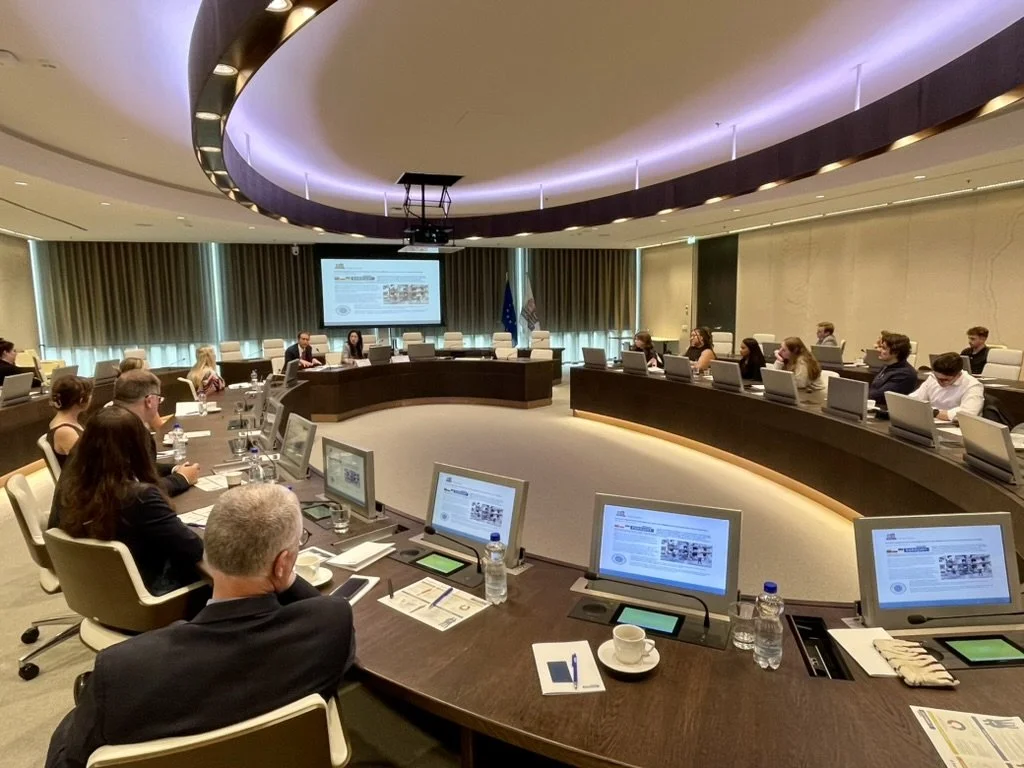
Assess institutional weaknesses and manage known or foreseeable risks stemming from deficiencies in antisemitism and Holocaust education training. We recommend plans of action, draft new components to strategic plans, hold classes (including CLE), design new programming, facilitate community partnering opportunities, and use comprehensive trainings to help universities, colleges, and law firms tackle those weaknesses and risks.
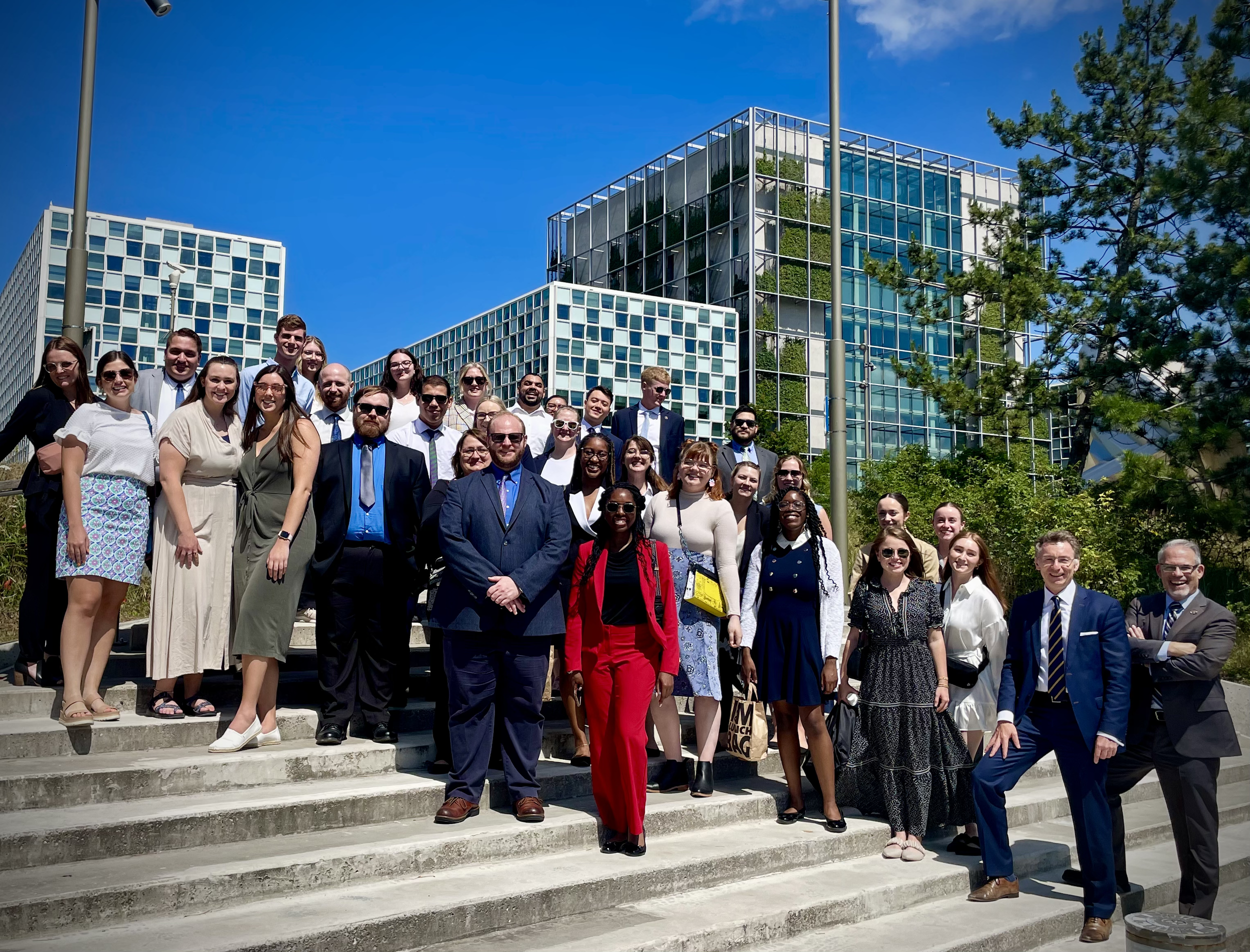
M3’s principals have a combined century of experience in American higher education. Their impeccable academic credentials, combined with their extensive publication records and demonstrated expertise in the areas of antisemitism and Holocaust education, imbue M3 with unmatched credibility in this field of consultancy. They have worked with the U.S. Holocaust Memorial Museum – both the institution and its publications – in Washington D.C., along with many other nongovernmental and Jewish institutions such as Yad Vashem, the Holocaust Memorial, and World Holocaust Memorial in Jerusalem.
Who We Are
Professor Michael Bazyler
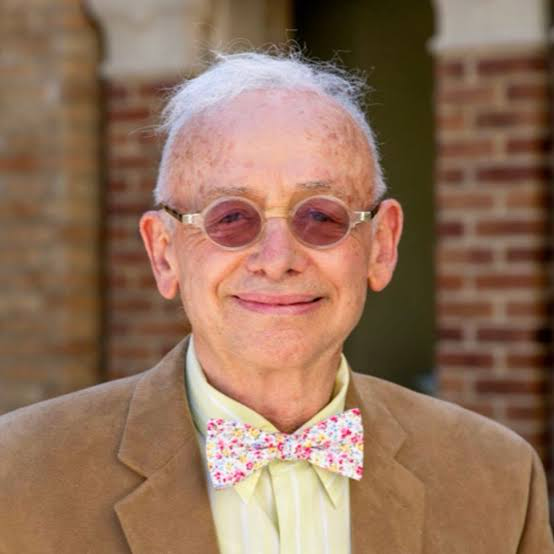
Michael Bazyler is a Professor of Law and the 1939 Law Scholar in Holocaust and Human Rights Studies. He is holder of previous fellowships at Harvard Law School and the United States Holocaust Memorial Museum in Washington, D.C. In fall 2006, he was a Research Fellow at Yad Vashem in Jerusalem (The Holocaust Martyrs' and Heroes' Remembrance Authority of Israel) and the holder of the Baron Friedrich Carl von Oppenheim Chair for the Study of Racism, Antisemitism and the Holocaust. Before joining Chapman in 2008, he was a professor for 25 years at Whittier Law School. He received his B.A. from UCLA and his JD from USC.
Professor Bazyler is the author of seven books and more than two dozen articles, book chapters and essays on subjects covering Law and the Holocaust, restitution following genocide and other mass atrocities, public international law, international human rights law, and international trade law and comparative law. His work has been published in The University of Pennsylvania Law Review, Kansas Law Review, Arizona Law Review, Northwestern Law Review, University of Richmond Law Review, Stanford Journal of International Law, Berkeley Journal of International Law, Columbia Journal of Transnational Law, and Fordham Journal of International Law.
His book, Holocaust, Genocide and the Law: A Quest for Justice in a Post-Holocaust World (Oxford University Press 2016) won the National Jewish Book Award. His writings have been cited by the U.S. Supreme Court, and he has testified in Congress before the House Reform Committee on thesubject of Holocaust restitution. He has also been interviewed by CNN, 60 Minutes, CBS Sunday Morning, Dateline NBC, ABC News, Voice of America, the Australian Broadcasting Company,National Public Radio and the BBC.
Professor Bazyler is a leading authority on the legal impact of the law on the Holocaust and how antisemitism has been implemented through anti-Jewish legislation. He co-authored Forgotten Trials of the Holocaust (New York University Press, 2014, softcover 2015) with Frank M. Tuerkheimer, reviewed in the New York Review of Books. His book, Holocaust Justice: The Battle for Restitution in America's Courts (New York University Press, 2003, softcover 2005), was cited by the U.S. Supreme Court and reviewed in the Harvard Law Review, Washington Post, Los Angeles Times, Financial Times (London), and The Economist. He is a contributor of chapters to various books on genocide and the law, and the co-editor/author with Roger Alford of Holocaust Restitution: Perspectives on the Litigation and Its Legacy (New York University Press, 2006; softcover 2007).
Professor Michael Kelly
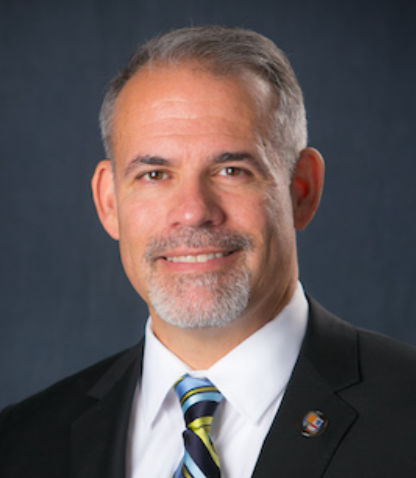
Michael Kelly directs the Samuel & Ida Kaiman Center for International Criminal Justice & Holocaust Studies at Creighton University School of Law, where he holds the Senator Allen A. Sekt Endowed Chair in Law. Professor Kelly received his BA and JD from Indiana University and his LL.M. with distinction from Georgetown University.
He designed and directs the Howard Kaiman “Nuremberg to The Hague” summer school program based in Germany focusing on International Criminal Law and the Holocaust in cooperation with University of Southern California, Gonzaga University, Friedrich Alexander Universität in Germany, and Uniwersytet Jagielloński in Poland. This immersive experiential program was ranked 5th best among ABA-accredited American law schools by National Jurist magazine and is now in its 13th year of operation.
Professor Kelly serves on the Boards of Directors for l’Association Internationale du Droit Pénal(AIDP), a Paris-based society of international criminal law scholars, judges and attorneys founded in 1924 that enjoys consultative status with the United Nations, the International Scientific & Advisory Council of the United Nations Crime Prevention & Criminal Justice Programme (ISPAC) based in Milan, the Foundation for Natural Resources & Energy Law (FNREL) based in Denver,and the Board of Advisors for the Siracusa International Institute for Criminal Justice & Human Rights based in Sicily. Additionally, he is co-chair with David Satola (World Bank) of the American Bar Association’s Task Force on Internet Governance for the Business Law Section’s Cyberspace Law Committee and Corresponding Editor for the American Society of International Law’s flagship publication International Legal Materials.
Among the eight books of which he is author or editor and over 50 articles, Professor Kelly is best known for Prosecuting Corporations for Genocide (Oxford University Press 2016) – a groundbreaking study considered a foundational pillar in the new field of corporate accountability for atrocity crimes that has provided a theoretical framework to bring multiple cases across several jurisdictions, including indictment of the LaFarge Corporation in Paris for complicity in crimes against humanity under ISIS in northern Syria.
An expert in enterprise level and school level strategic planning, he has been instrumental in crafting consensus around programs and projects, conferences and symposia, designed to inclusively tackle difficult topics and challenging subjects which often call for environmental or institutional changes. His work on ESG as risk assessment for corporate boards, published at Michigan State University, is an often-cited guidepost in this area.
Professor Michael Bryant
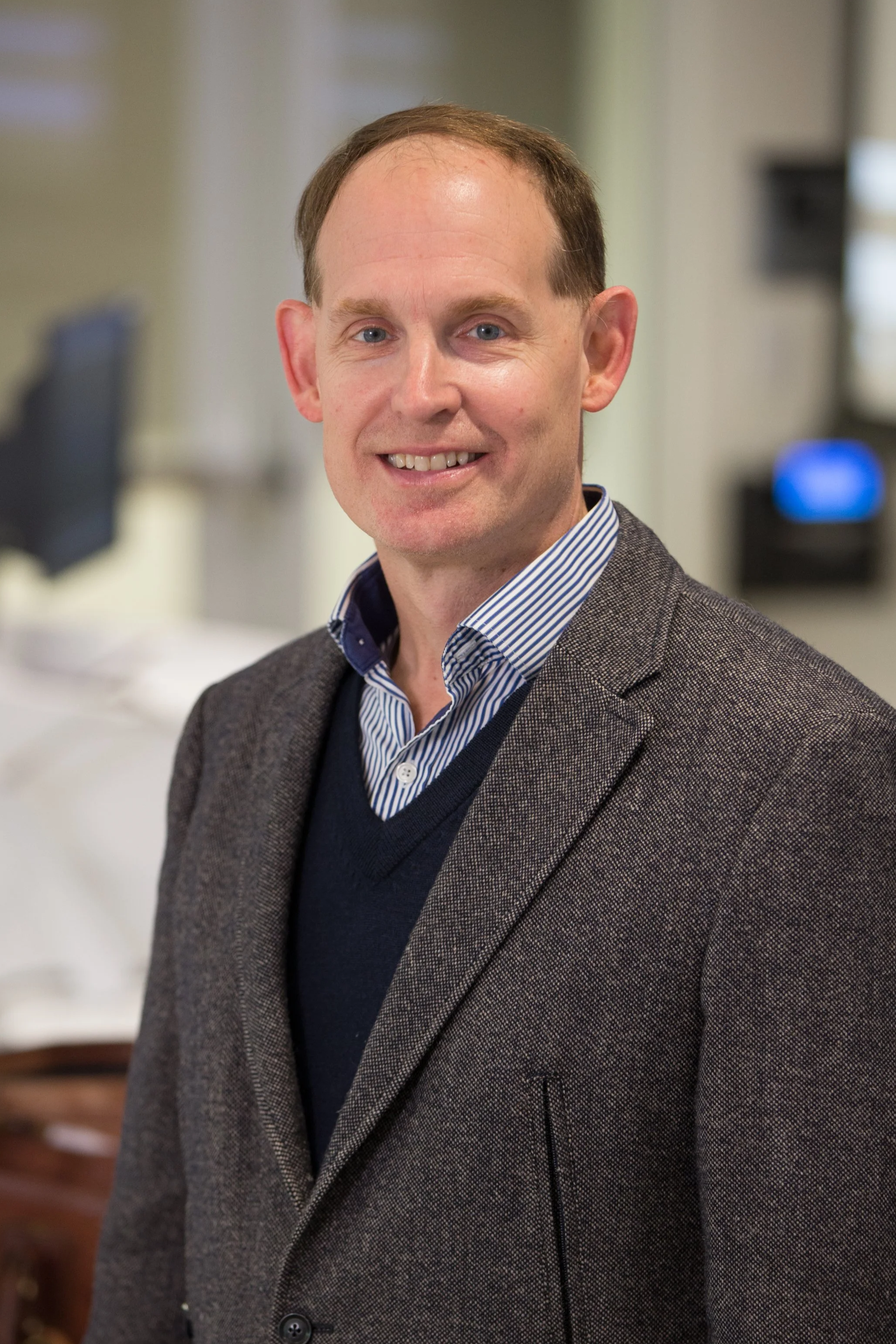
Dr. Michael S. Bryant is a Professor of History and Legal Studies specializing in the impact of the Holocaust on the law, human rights, German criminal law, and international humanitarian law. Professor Bryant has worked in the United States and abroad in Holocaust research and education.
He received a B.A. from The Ohio State University, a J.D. from Emory University, and a Ph.D. in Modern European History from The Ohio State University, and has taught for The Ohio State University, the University of Toledo, Bryant University, Creighton University Law School, and the National Judicial College in the areas of history, criminal justice, law, and human rights.
A key consultant on the Boston Holocaust Museum, now being built, Dr. Bryant’s advice in this field is widely sought. He has held fellowships with the National Endowment for the Humanities,the Fulbright Foundation, the National Science Foundation, the German Exchange Service(DAAD), the U. S. Holocaust Memorial Museum, the Woodrow Wilson Foundation, and the Alexander von Humboldt Foundation. He is currently a member of Board of Editors for Human Rights Review.
Professor Bryant is the author of Confronting the "Good Death": Nazi Euthanasia on Trial, 1945-53 (University Press of Colorado 2005) and numerous articles on the postwar adjudication of Nazi-era crimes. His study of the major West German "Operation Reinhard" death camp investigations and trials of the 1960’s was published in 2014 by the University of Tennessee Press, winning the Book of the Year Award from the American National Chapter, Association Internationale de Droit Penal. His third book, A World History of War Crimes, was published in the fall of 2015 by Bloomsbury Academic Press in London (the second, significantly expanded edition was published in 2021). In 2020 he published Nazi Crimes and their Punishment (Hackett)and in 2021 his co-authored casebook Comparative Law: Global Legal Traditions (Carolina Academic Press) appeared in print.He has been interviewed by local, regional, national, and international media, including Time magazine, NPR, The Spectator, The Philadelphia Inquirer, Hearst TV, and many others. Dr. Bryant is currently working on a documentary film on Chelmno, the Nazis' first death camp, that has been invited for screening by the 2026 Berlin film festival, and a study of Kurt Schwedersky's investigation into the Treblinka death camp.
Sasha Seagull
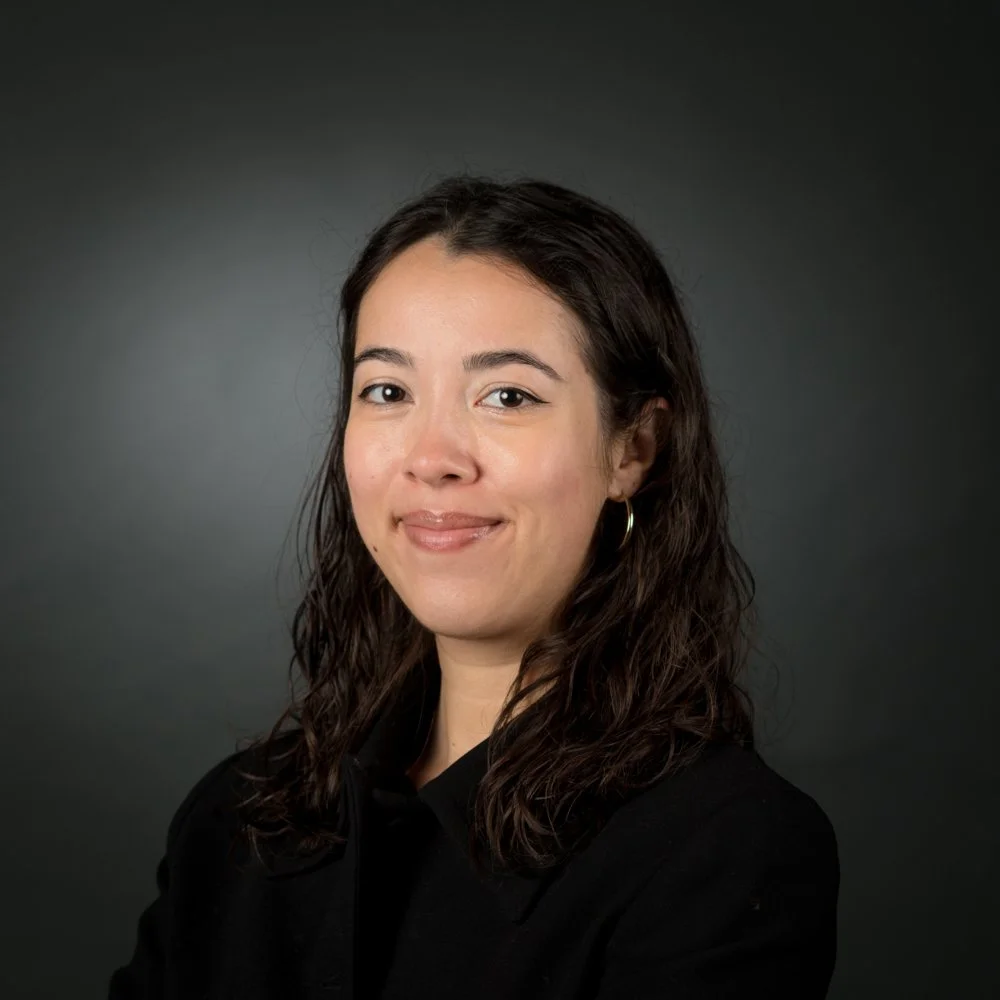
Sasha Seagull is a legal researcher whose work focuses on the ways that speech, public messaging, and legal frameworks shape the lived experiences of historically marginalized communities. She holds an LL.M. in Public International Law from the University of Amsterdam and a J.D. from Chapman University, Dale E. Fowler School of Law.
During her legal studies, she completed the “Nuremberg to The Hague” summer school program, where she examined the historical impact of the Holocaust and the evolution of international criminal law. She also co-founded the Ukrainian Mothers and Children Transport Initiative, which provided pro-bono immigration service to Ukrainians fleeing to the United States in the aftermath of Russia’s invasion.
Across her work, Sasha focuses on how legal systems evaluate speech, address identity-based tensions, and develop policies that reflect both legal obligations and an informed understanding of historical context. Her master’s thesis, published through UvA Scripties, analyzes how state-sponsored online disinformation campaigns can constitute incitement to genocide under the Rome Statute.
As an editorial assistant to Professor Michael Bazyler, Sasha analyzes the legal frameworks established through antisemitic legislation throughout Europe in the years before and during the Second World War. She also brings experience in policy writing, evaluating policy implementation, and communication strategy from her work at the Center for the Study of Democracy, the United States House of Representatives, and political campaigning.
Sasha seeks to highlight the ways in which narratives and information systems influence institutional climates and real-world consequences.
Alexandra Rindenow
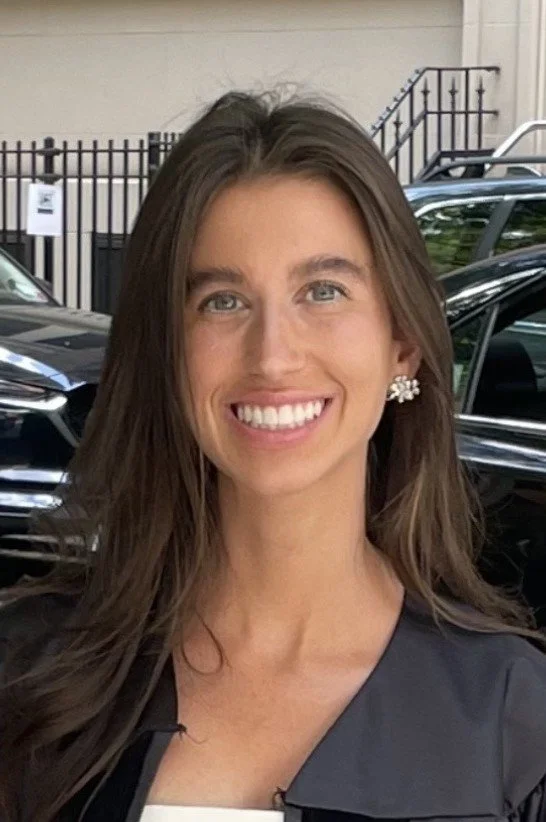
Alexandra Rindenow is a graduate of Cardozo School of Law, where she focused on human rights and civil rights as a member of the Benjamin B. Ferencz Human Rights and Atrocity Prevention Clinic. Following graduation, she served as a Civil Rights Law Fellow at the Louis D. Brandeis Center for Human Rights Under Law, where she focused on combating antisemitism on college campuses, in the workplace, and throughout the United States through federal litigation, Title VI complaints, and policy advocacy. Alexandra currently works at a nonprofit organization representing Jewish victims of domestic violence, providing trauma-informed legal advocacy and support. In addition to her legal practice, she is assisting in developing curricula on Holocaust Antisemitism and the Law.
Matthew Putterman
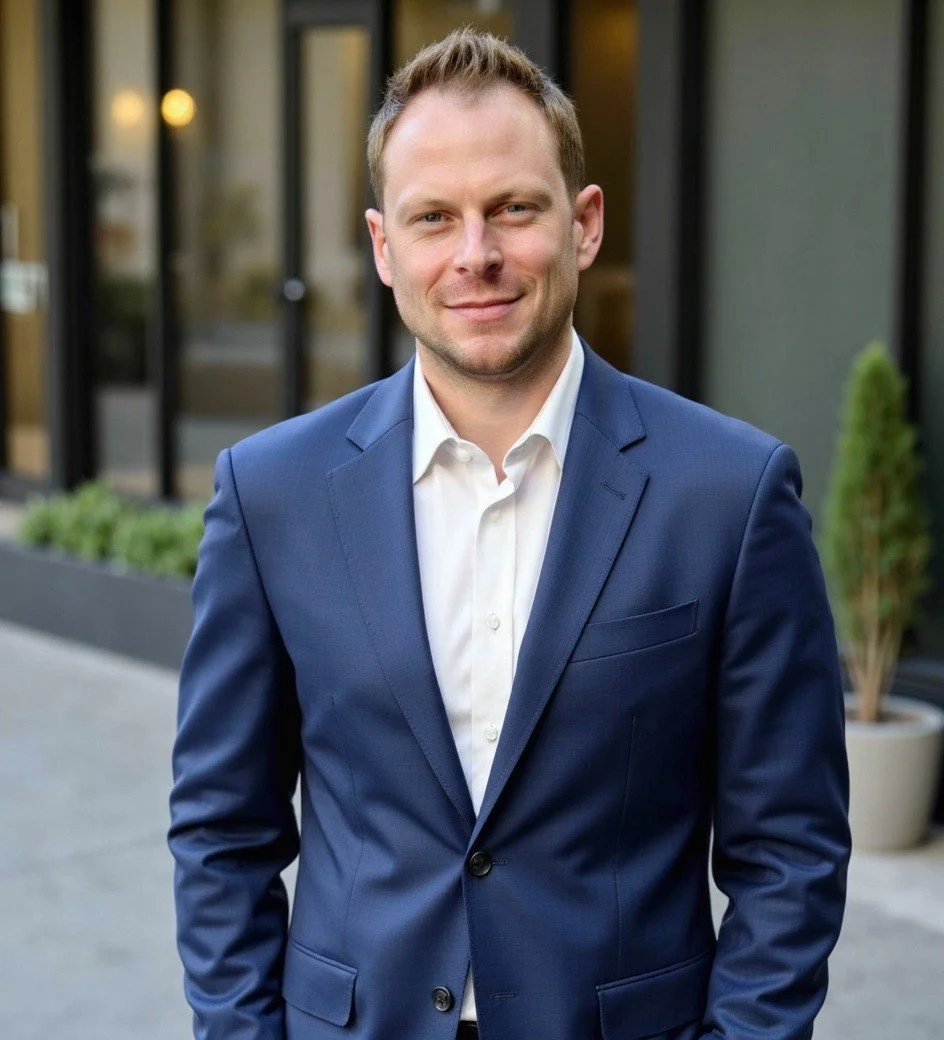
Matt Putterman understands the importance of Jewish community. Having grown up in a suburban area of West Michigan, Matt was the only Jew in his high school graduating class. Matt’s commitment to his Jewish faith and traditions is unwavering, which Matt attributes to his parents and their commitment to fostering a Jewish family and keeping true to their faith, customs and values.
Matt’s travels to Israel further shaped his Jewish identity and connection to the Jewish people. In 2017, Matt traveled to Israel on a Young Leadership Mission through the Jewish National Fund where he witnessed firsthand the powerful impact of tzedakah. Matt ultimately found his Jewish community in Orange County, California, where he served on the boards of NexGen – the young adult division of the Jewish Federation of Orange County; and Hillel of Orange County. As a member of the Hillel Board, Matt engaged with Jewish college students to understand their environment and helped develop initiates to combat antisemitism on college campuses.
In his law practice, Matt volunteers several hours each year pro bono to support Jewish causes and combat antisemitism.
Anna Putterman
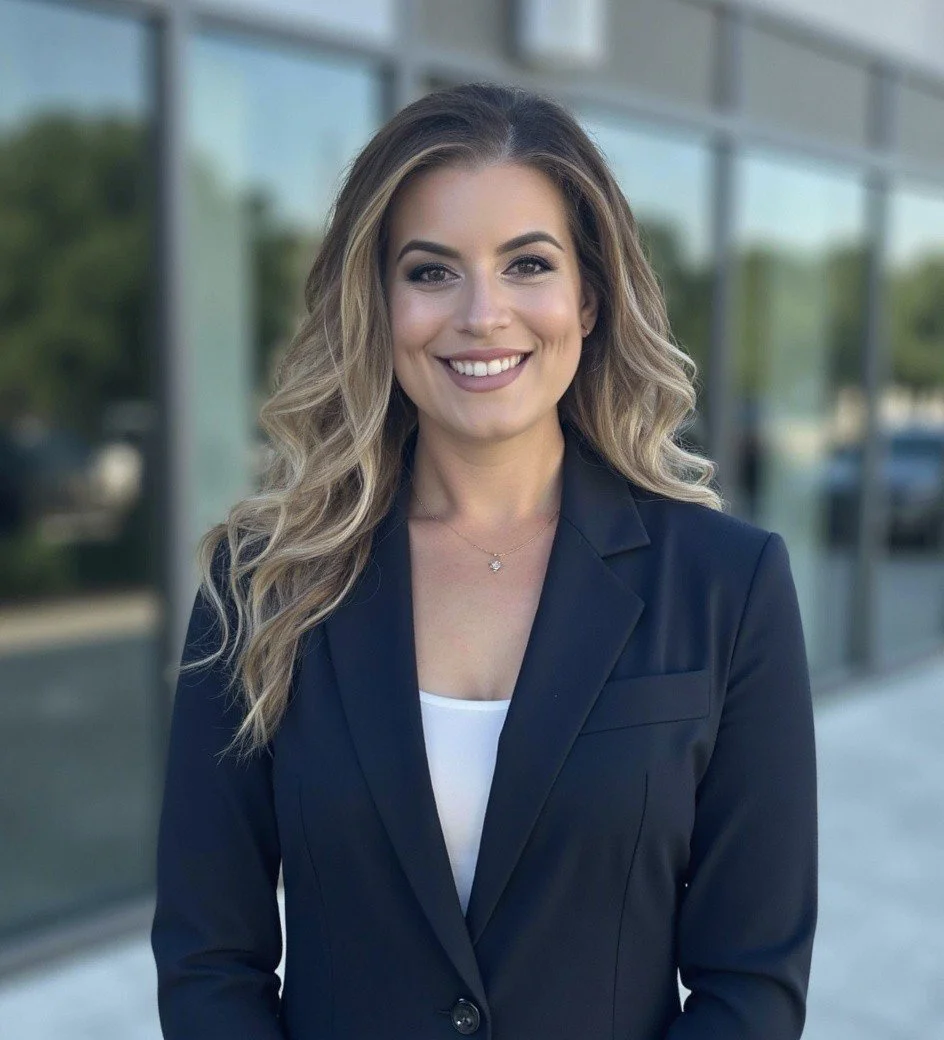
As a child, Anna immigrated to the United States from Ukraine, escaping religious persecution in hopes of finding religious freedom in the United States. Her history motivates her involvement as an active contributor to philanthropic values in the Jewish Community.
Outside of her work, Anna gives back to her community through her contributions as a member of the Board to her local Jewish Federation and serving on National Young Leadership Cabinet of Jewish Federations of North America. Anna has served on several committees, bringing to life Jewish initiatives within the community, as well as chairing the annual Jewish Federation of Orange County’s Women’s Philanthropy Gala. In 2023, Anna traveled to Chile and Argentina with the National Young Leadership Cabinet where she learned about the vibrant Jewish history and culture in those communities, which still exists today.
Beyond her organizational work, Anna is known for fostering inclusive spaces that bring people together for meaningful dialogue, volunteerism, and celebration. Her approach combines tradition with modern community building, ensuring that Jewish culture and values remain vibrant and relevant for future generations starting with her own three children.
In her professional life, Anna is a business attorney and founding partner of Putterman Law in Newport Beach, California.
Morgan Sielski
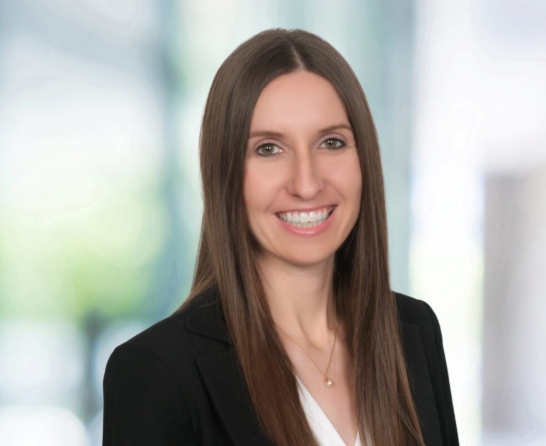
Morgan Sielski is an attorney with her area of expertise in international law with a specific focus on the Russo-Ukraine War and Antisemitism and the Holocaust. She is a researcher and contributing editor to the Russo-Ukrainian War Law Handbook, the first legal text on the Ukraine War. She is the co-author of “Ukraine as a Model Slavic Democracy: Mission Not Yet Accomplished”, Rutgers Law Review Summer 2024, Volume 76, Issue 5, and author of an upcoming publication “Ghetto Benches are Coming: Campus Antisemitism in Interwar Poland and on American College Campuses Today”. She is a double graduate of Chapman University and holds her J.D. as well as her Bachelor of Arts in Political Science with a minor in Sociology: Law, Justice, and Social Control.
Lindsey Hagen
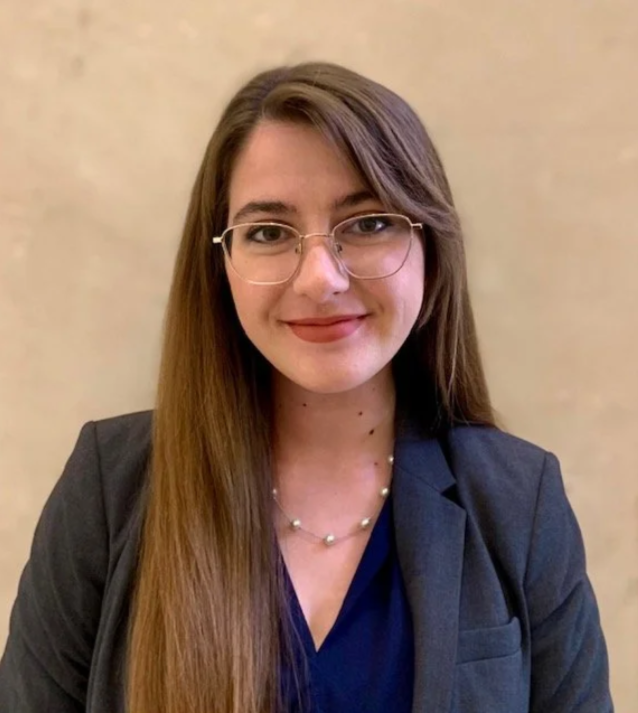
Lindsey Hagen is an attorney in California. She holds a Juris Doctor from Chapman University, Dale E. Fowler School of Law, and a BA in History and Education from University of Houston. She helped to co-found the Ukrainian Mothers and Children Transport Initiative, which provided pro-bono immigration law services to Ukrainians coming to the United States. She also worked as a researcher for World Without Genocide, where she wrote and delivered CLE webinars and served as a civil society delegate at the United Nations. Lindsey is the 2023 recipient of the Katherine Baird Darmer award for Human Rights and Public Interest Law. She is passionate about promoting education as a tool for reducing hate.
Contact us
Interested in working together? Fill out some info and we will be in touch shortly. We look forward to working with you!