Services
M3’s wide range of services should be tailored to the unique needs of each institution. There is no “one size fits all” approach to a university or college or school’s embrace to confronting antisemitism and Holocaust education. Our assistance will look different for each unit depending upon factors such as the level of in-house expertise, availability of community partnering opportunities, level of tolerance in the administrative, faculty, staff, and student bodies, and depth of commitment each unit is prepared to make. The combination of consulting services you choose must be right for you. Our consulting services include, but are not limited to:
• Climate Surveys
• Strategic Planning Reviews
• Curricular & Pedagogical Reviews
• Program & Project Design
• Conference & Symposia Design
• Immersion & Study Abroad Design
• Classes (including CLE)
• Community Engagement
Notably, each of these components of antisemitism and Holocaust educational training can be offered at the university, school, department, or law firm level. We are committed to meeting each of our clients where they are and addressing their individual needs, while remaining cognizant that not every client may clearly perceive what their needs actually are at the beginning of our conversation. Below are brief explanations for each of these components:
-
Climate surveys are valuable tools for gathering information about the perceptions and experiences of people within an organization or community, such as employees in a workplace or students in a school. Antisemitism is often difficult to detect, and certainly more difficult than Holocaust denialism. Climate surveys can often provide valuable insight into areas where antisemitism may take root or has done so already but is not so obvious.
-
Regularly reviewing a strategic plan is crucial for an organization's success and adaptability in a dynamic environment. It goes beyond merely having a plan and transforms it into a living, guiding document that fosters growth and resilience. Understanding where antisemitism and Holocaust education can anchor and thrive within a strategic plan often underlies how effective the programming will be.
-
Curricular and pedagogical review is a critical and continuous process for educational institutions at all levels. It ensures that what is taught (the curriculum) and how it is taught (pedagogy) remain relevant, effective, and aligned with educational goals and the needs of students and society. In the area of antisemitism and Holocaust education, this is especially important with respect to not only introducing the material, but then reinforcing it through subsequent readings, discussion, or even role plays.
-
Thoughtful design of academic programs is core to the educational experience. Academic program design is not merely a collection of courses but a carefully crafted framework that dictates the structure, sequence, and delivery of educational content. An antisemitism or Holocaust project in an English Department, for example, is going to look very different from a project in the Marketing Department of the Business School. Law firms may also need more customized projects.
-
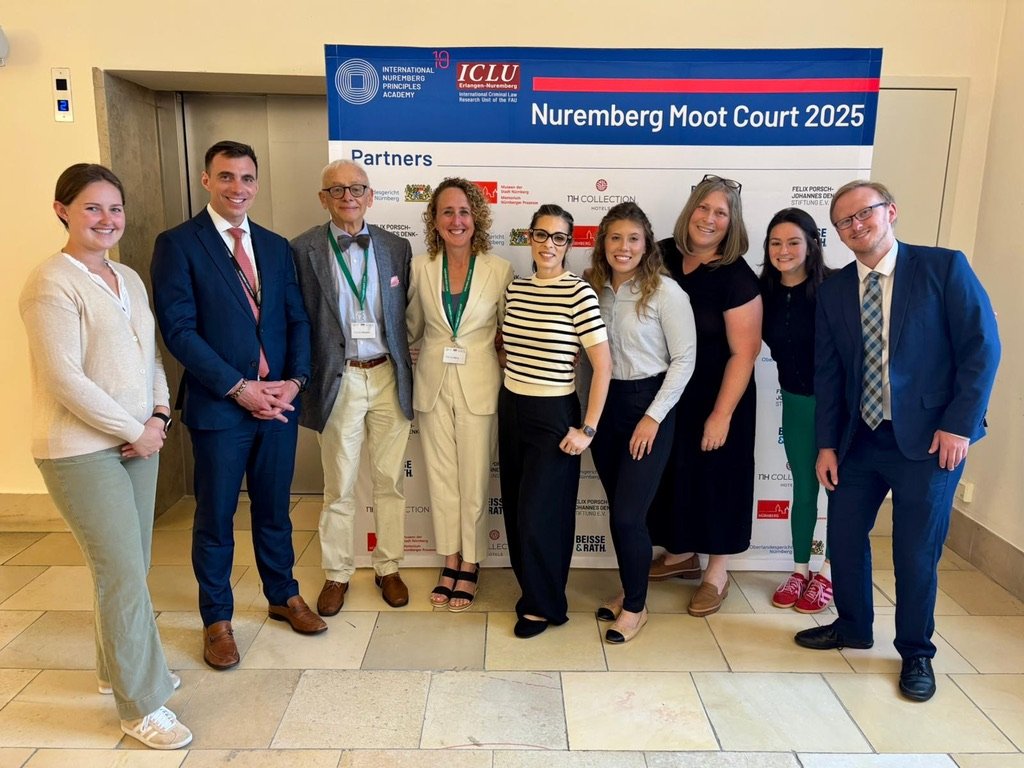
Conferences and symposia on antisemitism serve as crucial platforms for analysis, education, and strategy development. In essence, a strategically designed antisemitism conference or symposium is not just an event; it’s a catalyst for change. By fostering understanding, facilitating collaboration, and empowering individuals, these gatherings play a crucial role in countering hatred and building a more inclusive and tolerant society and campus culture.
-
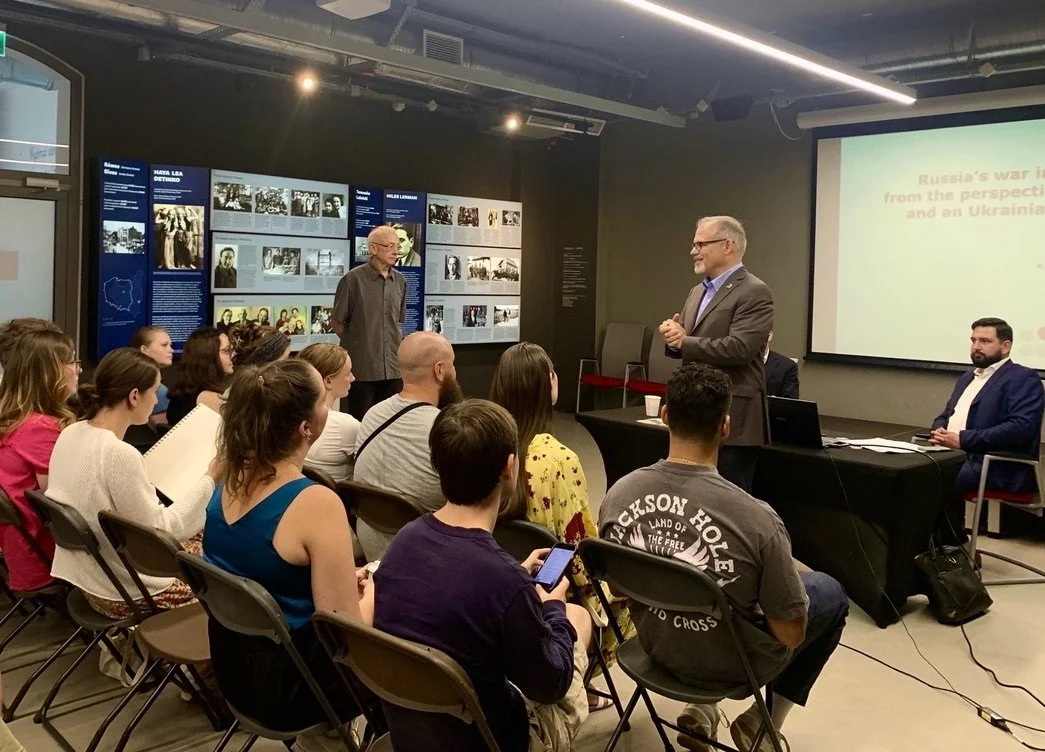
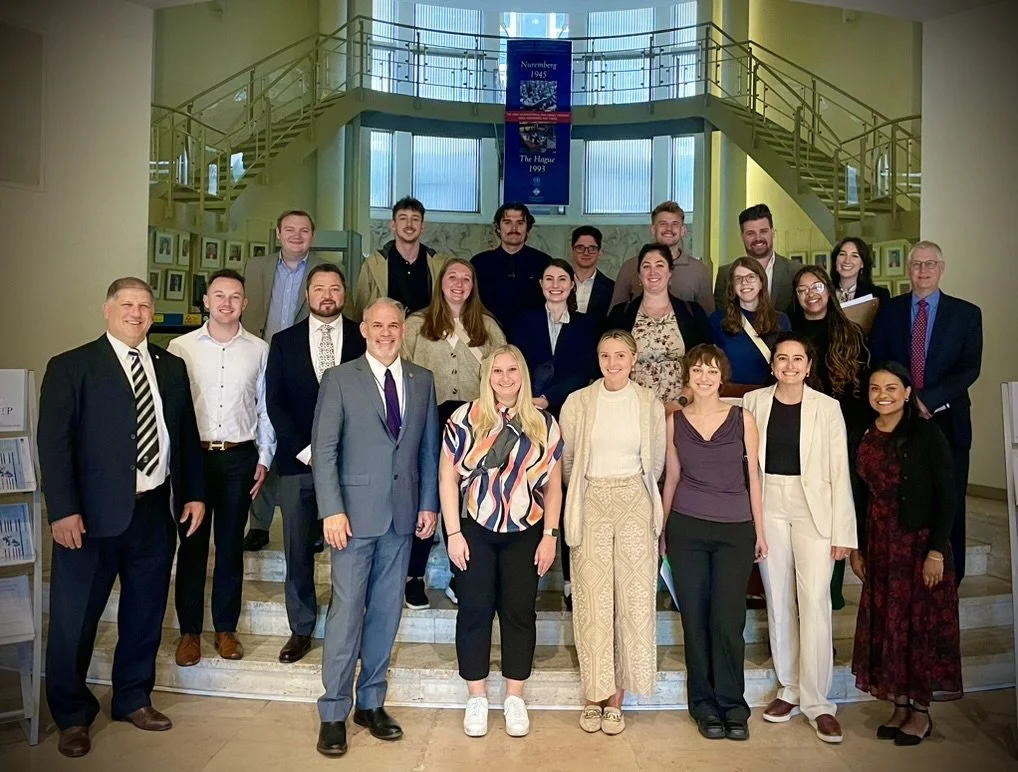
There is an indescribably impact being in a place where something happened. For over a decade “transformative” is a word our students use to describe the Holocaust immersion component of our summer abroad program in Krakow, Poland. Immersive and experiential study abroad programs play a significant role in enhancing Holocaust and antisemitism education by offering unique learning opportunities that transcend traditional classroom settings.
These considerable benefits, however, come with their own challenges. Visiting Holocaust sites can be emotionally draining, potentially causing distress or leading to secondary post-traumatic stress disorder if not properly prepared and facilitated. Support systems and careful planning are crucial. Moreover, your educators must be equipped with resources and training to counter Holocaust denial and distortion, which may persist in various forms, including through online platforms.
-
We can design, staff, and facilitate classes focused on how to detect and combat antisemitism and how to offer impactful Holocaust education for faculty, staff, administrators, and graduate teaching assistants. Antisemitism training courses offers a focused and effective environment for addressing the complex issue of anti-Jewish hatred, fostering understanding and promoting allyship. Classes can be as short as one hour or longer, each customizable to the needs of the client.
-
Creating effective community partnerships for antisemitism and Holocaust education is crucial for fostering understanding, promoting tolerance, and ensuring these vital lessons reach a broad audience. Community building is based upon personal and institutional partnership.
For instance, the Harriet and Kenneth Copperberg Holocaust Center (KHC) at Queensborough Community College partners with the United States Holocaust Memorial Museum; the Anne Frank Center at the University of South Carolina partners with the Anne Frank House in Amsterdam; and the Kaiman Center for International Criminal Justice & Holocaust Education at Creighton University partners with the Institute for Holocaust Education.
M3’s team is ready and capable of arranging meetings, information sessions, or collaborative lunches that can lead to fruitful partnerships in the field of combating antisemitism and fostering welcoming environments. Facilitating new institutional friendships are exciting and rewarding experiences for us!